Your Pocono Summer Wellness Guide: Hemp, Hiking & Finding Your Balance
Reading Time: ~7 minutes | Category: Wellness Lifestyle / Local Pocono
Walking into a modern cannabis dispensary for the first time can feel overwhelming. Between unfamiliar product names, scientific terms, and industry slang, many new consumers quickly realize there’s an entirely new language surrounding cannabis culture and education.
What’s the difference between cannabinoids and terpenes? What exactly does “hybrid” mean? Why are people talking about live resin, microdosing, and THC percentages?
As the cannabis industry continues to evolve, education has become more important than ever. Understanding basic cannabis terminology helps consumers feel more confident, make informed decisions, and have a safer, more comfortable experience overall.
In this beginner-friendly guide, we’ll break down some of the most common cannabis terms you’re likely to encounter — from product types and cannabinoids to consumption methods and labeling language.
Understanding the Basics of Cannabis
What Is Cannabis?
Cannabis is a plant that contains naturally occurring compounds called cannabinoids and terpenes. These compounds interact with the body in different ways and contribute to the plant’s effects, aroma, and overall experience.
Cannabis has been used for centuries across different cultures for industrial, wellness, recreational, and medicinal purposes. Today’s cannabis industry includes a wide range of products designed for different lifestyles and consumer preferences.
As legalization expands across many states, modern cannabis retail has become increasingly focused on education, transparency, and responsible use.
Cannabis vs Marijuana: Is There a Difference?
The terms “cannabis” and “marijuana” are often used interchangeably, but many people within the industry now prefer the term cannabis.
“Cannabis” is the scientific name of the plant, while “marijuana” became widely used historically through legal and political systems. Many modern businesses and educators use “cannabis” because it is viewed as a more accurate and professional term.
Regardless of the wording, both terms generally refer to the same plant.
Hemp vs Cannabis
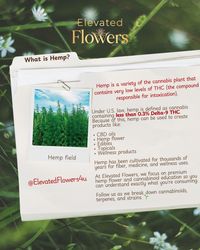
Hemp and cannabis both come from the cannabis plant family, but they differ primarily in THC content.
Hemp typically contains very low levels of THC and is commonly used for:
CBD products
Textiles
Paper
Skincare
Industrial applications
Cannabis products sold in dispensaries generally contain higher levels of THC and are regulated differently depending on state laws.
Common Cannabis Plant Types
What Is Indica?
Indica is a term traditionally used to describe cannabis strains commonly associated with relaxing or calming effects.
Many consumers historically associate indica products with:
Evening use
Relaxation
Stress reduction
Restfulness
However, modern cannabis education recognizes that effects vary greatly depending on cannabinoid and terpene profiles, individual tolerance, and product formulation.
What Is Sativa?
Sativa typically refers to cannabis strains often associated with uplifting or energizing experiences.
Consumers sometimes choose sativa-style products for:
Daytime use
Creativity
Social settings
Focus and productivity
Again, effects can vary significantly from person to person.
What Is a Hybrid?
A hybrid is a cannabis strain created by combining characteristics from both indica and sativa genetics.
Most cannabis products available today are hybrids. Some may lean more relaxing while others may feel more uplifting depending on their terpene and cannabinoid composition.
Understanding Cannabinoids
What Is THC?
THC, or tetrahydrocannabinol, is the primary psychoactive compound found in cannabis. It is responsible for the “high” commonly associated with cannabis consumption.
Different THC levels may influence intensity, but higher THC percentages do not automatically mean a product is better or more enjoyable.
For beginners, starting with lower THC products is often recommended.
What Is CBD?
CBD, or cannabidiol, is another well-known cannabinoid found in cannabis and hemp plants.
Unlike THC, CBD is non-intoxicating, meaning it does not produce a traditional psychoactive high.
CBD products are commonly discussed within wellness-focused conversations and are available in many forms including:
Oils
Gummies
Capsules
Topicals
Other Cannabinoids You May Hear About
As cannabis research expands, consumers may also encounter lesser-known cannabinoids such as:
CBG
CBN
THCV
These compounds are being studied for their unique characteristics and potential effects.
What Is CBD?
CBD, or cannabidiol, is another well-known cannabinoid found in cannabis and hemp plants.
Unlike THC, CBD is non-intoxicating, meaning it does not produce a traditional psychoactive high.
CBD products are commonly discussed within wellness-focused conversations and are available in many forms including:
Oils
Gummies
Capsules
Topicals
What Are Terpenes?
Terpenes are aromatic compounds found naturally in cannabis and many other plants including citrus fruits, lavender, pine trees, and herbs.
They contribute to the smell, flavor, and overall experience of cannabis products.
Some common cannabis terpenes include:
Myrcene
Often associated with earthy or herbal aromas.
Limonene
Commonly linked to citrus scents.
Pinene
Known for pine-like aromas.
Caryophyllene
Often described as spicy or peppery.
Linalool
Associated with floral lavender-like notes.
Many consumers now pay attention to terpene profiles rather than focusing only on THC percentages.
Popular Cannabis Product Types
Flower
Flower refers to the dried cannabis buds traditionally smoked or vaporized.
It remains one of the most popular cannabis product formats due to its versatility and variety.
Pre-Rolls
Pre-rolls are ready-to-use cannabis joints that come pre-prepared for convenience.
They are popular among beginners because they eliminate the need for grinding or rolling flower manually.
Edibles
Edibles are cannabis-infused food or beverage products such as:
Gummies
Chocolates
Beverages
Baked goods
Unlike inhaled products, edibles can take longer to produce effects because they are processed through digestion.
For beginners, patience and proper dosing are extremely important when consuming edibles.
Concentrates
Cannabis concentrates are highly potent extracts that contain concentrated cannabinoids and terpenes.
Common concentrate types include:
Wax
Shatter
Live resin
Rosin
These products are generally more experienced-consumer oriented due to their potency.
Vape Products
Vape products typically include:
Vape cartridges
Disposable vape pens
Many consumers appreciate vaping for its convenience, portability, and discretion.
Tinctures and Oils
Tinctures are liquid cannabis products often placed under the tongue using a dropper.
Many beginners appreciate tinctures because they allow for more measured and controlled dosing.
Cannabis Consumption Terminology
What Does “Microdosing” Mean?
Microdosing refers to consuming very small amounts of cannabis to achieve milder effects.
Some consumers prefer this approach to maintain functionality while exploring cannabis more gradually.
What Is Potency?
Potency refers to the strength of a cannabis product, often measured by THC or CBD content.
For flower, potency is commonly displayed as a percentage.
For edibles, potency is typically measured in milligrams per serving.
What Does “Onset Time” Mean?
Onset time refers to how quickly the effects of cannabis begin after consumption.
Different methods have different onset times:
Smoking or vaping may produce faster effects
Edibles may take significantly longer
Understanding onset time helps consumers avoid overconsumption.
What Is the Entourage Effect?
The entourage effect is a theory suggesting cannabinoids and terpenes may work together to influence the overall cannabis experience.
This concept is one reason many consumers explore full-spectrum cannabis products.
Understanding Cannabis Labels
THC Percentage Explained
Many consumers focus heavily on THC percentages when shopping, but higher THC does not always guarantee a better experience.
Factors such as terpene profiles, cannabinoid balance, product quality, and personal tolerance all contribute to how a product feels.
What Are Lab-Tested Products?
Lab-tested products are evaluated for:
Potency
Safety
Purity
Consistency
Testing helps consumers make more informed purchasing decisions.
Packaging Dates and Freshness
Cannabis products may include:
Harvest dates
Packaging dates
Expiration guidance
Freshness can influence aroma, flavor, and overall product quality.
Beginner Tips for Visiting a Dispensary
Don’t Be Afraid to Ask Questions
Modern dispensaries are increasingly education-focused environments. Staff members are there to help guide consumers through products, terminology, and options.
Asking questions is completely normal — especially for first-time visitors.
Start Low and Go Slow
One of the most common beginner recommendations is to start with lower doses and increase gradually over time if needed.
This is especially important with edible products.
Focus on Your Personal Preferences
Every consumer experience is different. Some people prioritize relaxation while others look for creativity, social experiences, or wellness-focused routines.
Learning your preferences takes time, education, and responsible experimentation.

You've probably heard us say it before: every product at Elevated Flowers has a COA available. But what does that actually mean? And more importantly — do you know how to read one?
A Certificate of Analysis can look overwhelming at first glance. Numbers, abbreviations, panels, thresholds. But once you know what each section means, it becomes one of the most powerful tools you have as a hemp consumer.
This is your complete, section-by-section guide.
New to COAs? Start with the basics: What Is a COA and Why Does It Matter?